¿Cómo elegir un detector XRF portátil?
Las diferencias principales entre Si-PIN y SDD – Lectura obligatoria para la inspección de materiales de aluminio
En el campo de la inspección in situ de aleaciones de aluminio, el rendimiento principal de unanalizador de fluorescencia de rayos X (XRF) portátil está estrechamente ligado a la elección del detector. Los dos detectores más habituales en el mercado – detectores Si-PIN y detectores SDD de deriva de silicio – pueden parecer diferencias menores en la configuración del equipo, pero determinan directamente la precisión de detección, la eficiencia e incluso si pueden satisfacer sus necesidades reales de inspección.

Primero, es crucial entender una premisa fundamental: el detector es el "ojo" del XRF portátil; su rendimiento determina directamente cuántos detalles puede "ver" el dispositivo y cuántos datos precisos puede "leer". El detector Si-PIN, como modelo tradicional, y el detector SDD, una nueva generación de productos de alto rendimiento, presentan características de rendimiento central muy diferentes.
Empecemos con el detector Si-PIN. Es el modelo "básico" en el ámbito del XRF portátil, con sus mayores ventajas siendo la madurez, estabilidad y menor costo. Sin embargo, sus desventajas también son bastante evidentes. Su resolución de energía es relativamente media, típicamente entre 150-220 eV, y su resolución de líneas espectrales es débil. Cuando se enfrenta a señales de elementos similares, es propenso a solapamiento e interferencias, lo que conduce a datos inexactos. Más importante aún, su capacidad de detección de elementos traza es insuficiente; la tasa de conteo es baja y se satura fácilmente, requiriendo tiempos de prueba más largos para apenas garantizar la estabilidad de los datos. En entornos de sustratos ligeros como las aleaciones de aluminio, la capacidad antiinterferencias del detector Si-PIN también es relativamente débil, quedando fácilmente enmascarada por el sustrato de aluminio, lo que provoca grandes fluctuaciones en los resultados de detección.
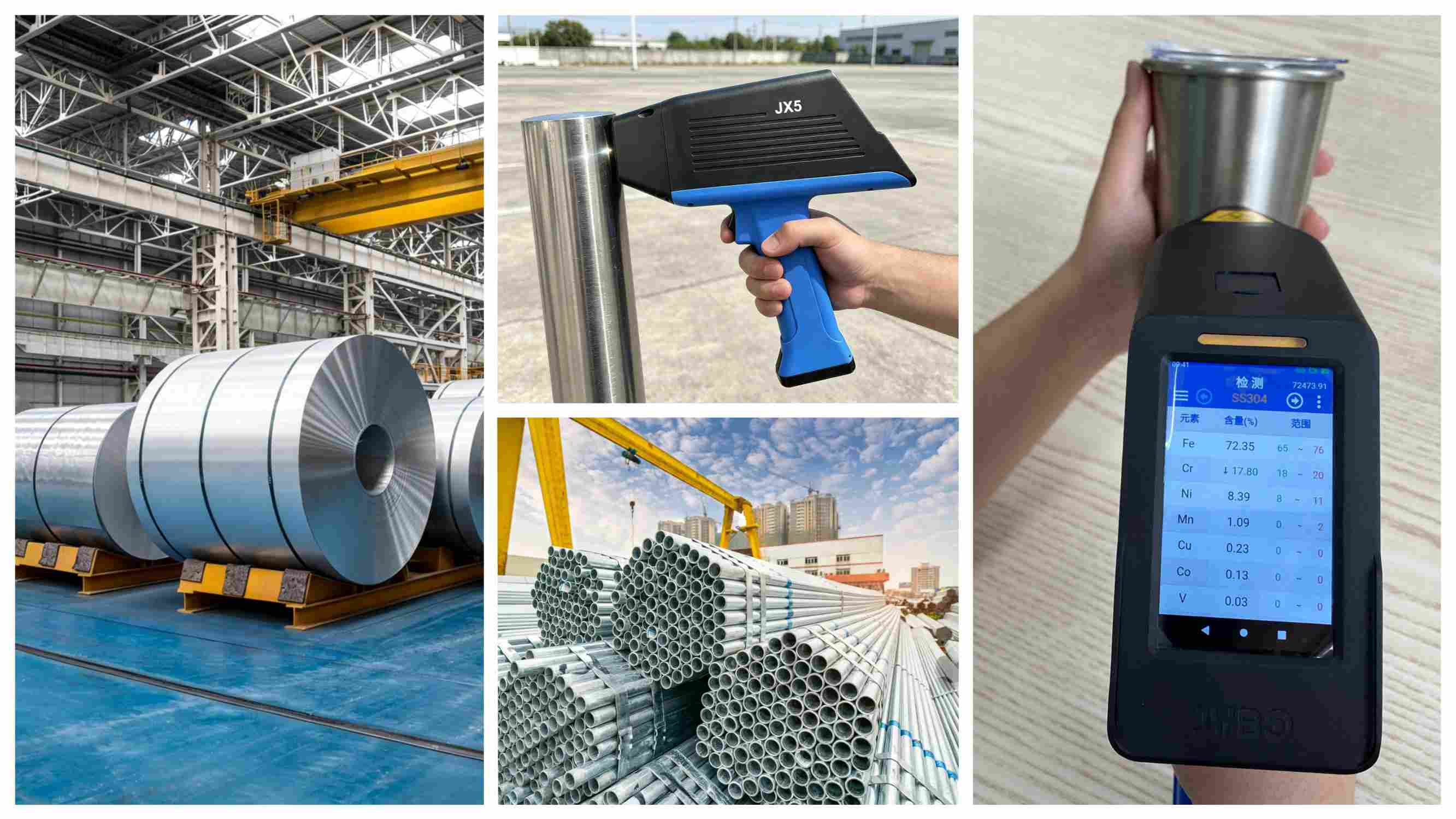
El detector SDD de deriva de silicio, actualmente estándar en dispositivos XRF portátiles de gama alta, es como equipar el dispositivo con "visión nocturna de alta definición", compensando perfectamente las deficiencias del detector Si-PIN. Su resolución de energía ha mejorado significativamente, típicamente entre 125-145 eV, distinguiendo con precisión las líneas espectrales de elementos similares y resolviendo completamente el problema de solapamiento espectral. Al mismo tiempo, el detector SDD tiene una mayor tasa de conteo y mayor sensibilidad, capturando señales fácilmente y detectando de forma estable incluso elementos traza nocivos como plomo y cadmio a nivel de ppm. En términos de eficiencia de prueba, el detector SDD también tiene una ventaja significativa, sin necesidad de largas esperas y completando una prueba estable en 30-60 segundos, mejorando enormemente la eficiencia de las pruebas in situ. Más importante aún, tiene una resistencia extremadamente fuerte a la interferencia de matriz, evitando eficazmente la influencia de la matriz de aluminio en las pruebas de aleaciones de aluminio, maximizando la repetibilidad y estabilidad de los datos de prueba.
Al considerar los escenarios reales de las pruebas de materiales de aluminio, la diferencia en el ámbito de aplicación de ambos se vuelve aún más evidente. Si sus necesidades de prueba se limitan simplemente a la clasificación de grados de aleaciones de aluminio, como distinguir entre grados comunes como 6061, 6063 y 5052, sin involucrar la detección de elementos traza o elementos nocivos, entonces el detector Si-PIN puede básicamente cumplir los requisitos, y su relación costo-beneficio es relativamente alta. Sin embargo, si su escenario de prueba implica la detección de elementos traza nocivos como plomo y cadmio, como el cribado de cumplimiento RoHS, el control de impurezas en materiales de aluminio y la inspección de envíos a clientes, entonces el detector Si-PIN es completamente insuficiente: no solo no puede detectar con precisión bajas concentraciones de impurezas de plomo y cadmio, sino que también puede provocar errores de juicio debido a fluctuaciones de datos, afectando la producción y el envío.
En este caso, el detector SDD se convierte en la única opción para las pruebas profesionales de materiales de aluminio. Puede clasificar con precisión grados de aleaciones de aluminio, cumpliendo con las necesidades básicas de prueba, y detectar de forma fiable elementos traza como plomo y cadmio a niveles de decenas de ppm, adaptándose perfectamente a todos los escenarios, incluyendo la inspección de materiales entrantes, el control de elementos peligrosos y la inspección de salida. Para los profesionales de pruebas de aluminio que necesitan equilibrar eficiencia y precisión, el detector SDD no solo proporciona datos precisos, sino también una mayor eficiencia de prueba y menores costos de reproceso: una solución verdaderamente práctica.
Finalmente, para resumir la lógica de selección de forma sencilla: Si-PIN es la opción básica de "suficiente", adecuada para clasificación simple; SDD es la opción "profesional y eficiente" preferida, adecuada para escenarios profesionales como la detección de elementos traza y elementos peligrosos en aluminio. Al elegir undetector XRF, la clave es seleccionar uno que se ajuste a sus necesidades de prueba. En lugar de elegir un Si-PIN "provisional" para ahorrar costos, es mejor optar por SDD desde el principio, evitando la desventaja de un rendimiento insuficiente del equipo que afecte la eficiencia del trabajo más adelante, lo cual sería contraproducente.
¡Por favor contáctenos para más consultas o información detallada!
Tel:+86-183-5283 6805
Email:sales@jinyibo.com
Web:www.jinyibo.com